Your Bank Still Makes You Work. Singapore’s OCBC doesn’t.
 by
by 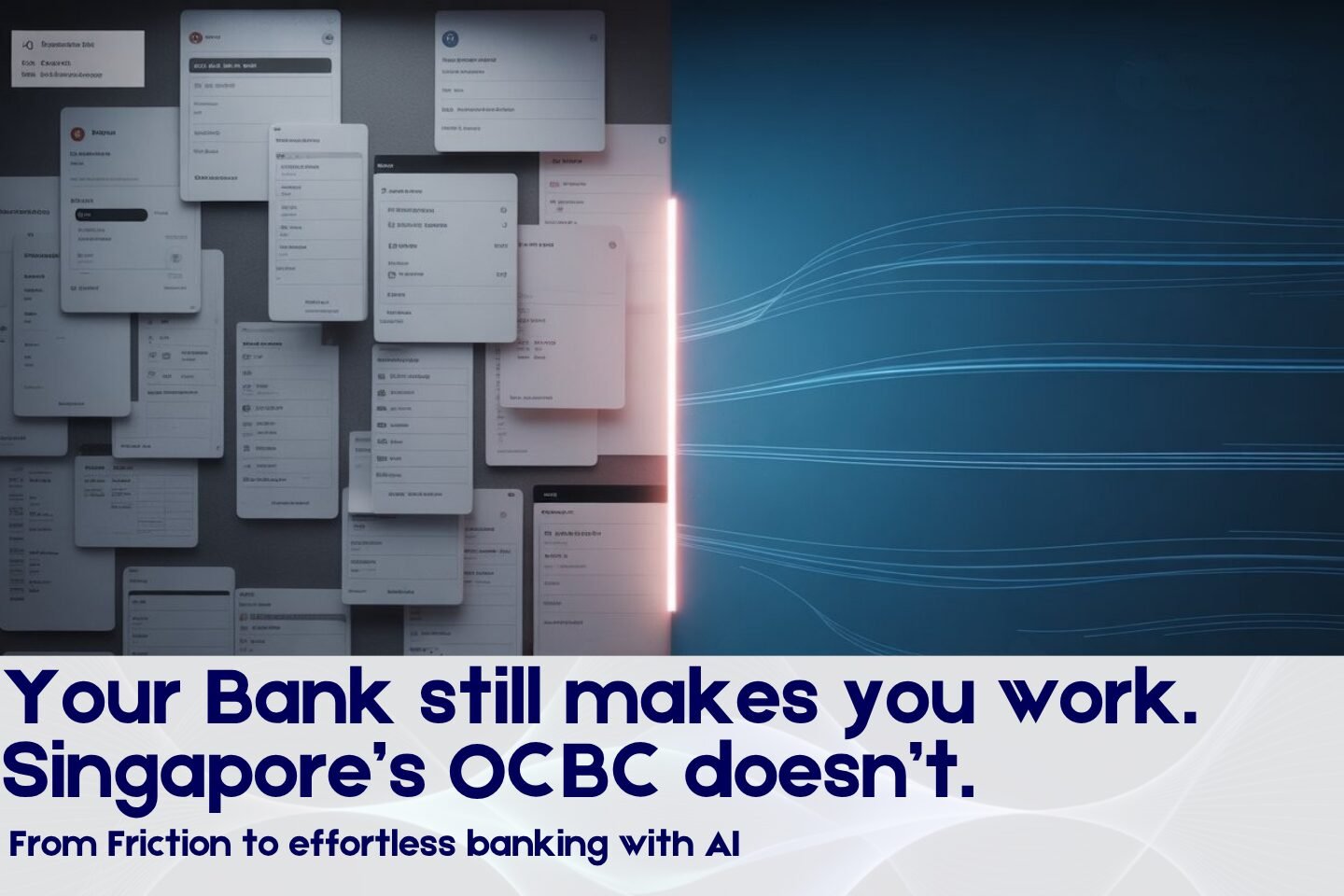
You open your banking app.
Before you type anything, it already knows why you’re there.
A subtle prompt appears:
“Would you like to review your recent spending or optimize your savings?”
No menus.
No searching.
No waiting.
Just… understanding. This is not the future of banking.
This is what happens when conversational AI transforms the entire conversational experience, and OCBC Bank is already doing it at scale. While most banks are still digitising processes, OCBC is redesigning how conversations happen between institutions and humans. And this shift is now becoming a central topic at global platforms like the conversational ai and customer experience summit Singapore, where leaders are rethinking what customer experience truly means.
The Evolution: From Transactions to Conversations
For decades, banking has been a transactional process where customers click, search, fill out forms, and then wait for responses. The system only reacts to your actions. But the customer experience has changed.
People don’t want to “navigate systems. They want systems to understand them instantly. This is where conversational AI in banking enters the scene as the game-changer. Conversational AI in banking helps users navigate the system seamlessly. OCBC Bank was the first bank to recognize this. Instead of adding AI on top of existing systems, they rebuilt the interaction system itself.
OCBC Didn’t Just Upgrade Banking, They Completely Reinvented It
Most banks in the financial industry took the path of innovation. They asked the following questions:
How do we make our application faster?
How do we improve the user interface?
OCBC Bank asked a completely different set of questions:
“What if the user never had to navigate at all?”
This one single change in mindset makes all the difference in the world.
You’re not improving the user experience. You’re eliminating the need for one.
Instead of adding conversational AI on top of existing systems, OCBC Bank rebuilt the interaction system from scratch. They evolved from static dashboards, rigid navigation, and command-based systems to more dynamic, conversation-driven experiences. This isn’t an enhancement. This is an experience transformation.
1. Every Bank Has Data. Almost None Know What to Do With It.
This may be the harsh reality for most financial institutions. Data without interpretation is noise. Every bank today holds vast volumes of data, from transaction records and spending behavior to credit profiles and financial patterns. Yet, despite this abundance, much of this information remains underutilized when it comes to enhancing the overall customer experience.
OCBC uses Conversational AI to turn the raw data into something powerful:
Real-time, contextual conversations
Let’s bring this to life with a simple scenario. Imagine a customer whose dining expenses quietly climb over two weeks. A traditional system would present the data in charts and leave the interpretation to the user. OCBC’s system does something different. It recognizes the anomaly instantly, engages the user, and guides them with meaningful actions.
For instance:
Your dining expenses have increased by 18% this month. Would you like to set a spending cap or review savings opportunities?
Now let’s take a step back and look at the difference.
This system is not just passive. It’s actually participating in the decision-making process. This, in essence, is a high-quality conversational experience. And this is the reason why topics such as this are the mainstay of the Conversational AI and Customer Experience Summit Singapore.
2. The Most Frustrating Sentence in Digital Banking
“Please explain your issue again.”
This sentence encapsulates the biggest failure in digital banking.
Today’s customers seamlessly switch between multiple digital touchpoints from mobile apps to websites to chat interfaces. However, most banking systems still treat each interaction as a completely new conversation. As a result, previous context and user history are often lost, forcing customers to start over every time.
OCBC has eliminated this frustration entirely thanks to Conversational AI.
Today, the experience is seamless and the conversation continuous and context-aware.
The user can start on mobile, switch to desktop, and finish on chat without having to repeat anything. This is a quantum leap in customer experience in the financial industry where the concept of continuity has become a competitive advantage.
3. The Moment Banking Became Predictive
This is where things go from impressive to transformative. Traditional banking operates on a reactive model, where the system responds only after something happens, whereas OCBC’s approach is built on prediction, anticipating needs before they arise. With conversational AI, we can constantly analyze:
- Behavioral patterns
- Frequency of transactions
- Financial signals
Let’s make this more tangible:
- Before the customer misses a payment → system alerts
- Before the customer has unusual spending habits → system intervenes
- Before the customer makes financial decisions → system simulates outcomes
This transforms the conversational experience from something merely impressive into something truly powerful, evolving beyond a chatbot or support tool into an intelligent, predictive financial assistant. And this is where conversational AI and customer experience reach their pinnacle, not in reacting, but in predicting.
4. The Personalization Paradox — Solved
The personalization problem has been an age-old problem when it comes to customer experience. The more customers you have, the more you need to automate, but the less personalization you can afford. However, with conversational AI, this is no longer true. The system can now:
- Learn from every conversation
- Create individual behavioural profiles
- Refine its responses constantly
This means we can now offer Personalized experiences at massive scales. Let’s consider this for a moment. Two users open an app. They don’t see the same experience. Why?. Because their:
- Financial behaviors
- Goals
- Context
- Are completely different.
This is what a true conversational experience looks like:
Not one system serving many
But one system adapting to each
The Bigger Shift Nobody Is Talking About
We are not just improving banking.
We are redefining interaction itself.
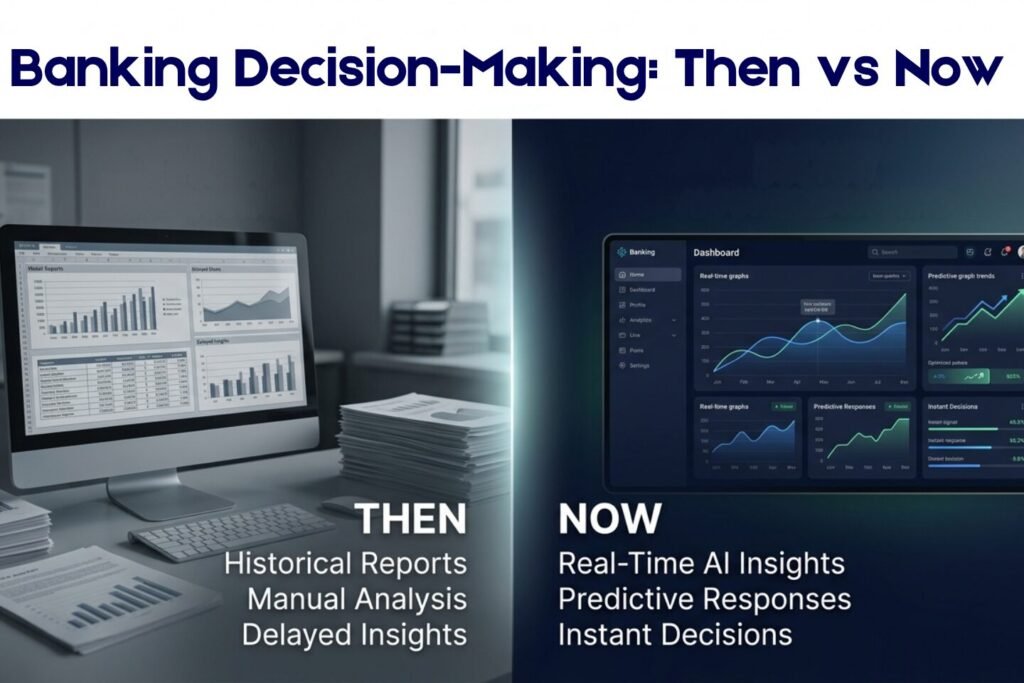
The traditional model relies on interfaces, navigation, and user effort, whereas the new model is driven by conversations, intelligence, and real-time context awareness. This is the foundation of digital banking transformation powered by conversational AI.
And this shift is not gradual. It is inevitable.
The Strategic Insight Leaders Are Realizing
At events like the conversational ai and customer experience summit Singapore, one insight is becoming clear. The competitive advantage is no longer technology. It is the quality of the conversational experience. OCBC Bank is not winning because it uses AI. It is winning because it uses conversational AI to create meaningful, scalable, human-like interactions.
Final Thought: The New Standard Has Been Set
Customers will forget features.
They will forget interfaces.
But they will remember how easy it felt to interact. That’s the power of a well-designed conversational experience. And as conversational AI continues to evolve, the banks that lead will be the ones that don’t just respond…
They understand.
FAQ’s
How is conversational AI changing customer experience in banking?
Conversational AI is revolutionizing the way banks engage with customers. This technology allows for instant and highly personalized interactions between customers and banks. This means that instead of struggling to find information within complex systems, users can now enjoy instant and relevant information in real-time, thereby enhancing their overall customer experience in banking.
Why is OCBC Bank a pioneer in conversational AI?
OCBC Bank is a pioneer in conversational AI technology due to its capability to personalise customer experiences on a large scale. This bank has revolutionized customer interaction in the industry, thereby becoming a role model for banks globally and a frequent reference point in international conferences on conversational AI and customer experience in Singapore.
What is a conversational experience in digital banking?
A conversational experience in digital banking involves customer interaction with digital systems. This means that instead of clicking on different buttons on a digital banking interface, users can simply talk to the interface and obtain relevant information or have the interface perform relevant functions based on user command or questions.
How does conversational AI contribute to digital transformation in banking?
Conversational AI contributes greatly to digital transformation in the banking sector. This technology has revolutionized customer interaction in banks by providing users with highly responsive digital platforms. These digital platforms are highly effective as they are able to read user intent and come up with solutions to customer needs before these needs are stated.
What are some factors that make conversational AI effective in the banking sector?
The power of conversational AI comes from the fact that it’s able to integrate real-time information, context, and machine learning. This ensures that the bank offers accurate, relevant, and personalized responses to customers, thus enhancing efficiency and satisfaction.
Can conversational AI replace traditional banking interfaces?
Conversational AI was created to complement and improve traditional interfaces. Conversational AI has greatly reduced the need to navigate complex interfaces because it offers a more straightforward and user-friendly experience.
Why is personalization so important in the context of conversational AI?
Personalization in the context of conversational AI is important because today’s customers crave a more personalized experience. Conversational AI offers just that as it’s capable of learning and offering responses to customers in a manner that feels personalized.
What is the importance of the conversational AI and customer experience summit Singapore?
The importance of the conversational AI and customer experience summit Singapore lies in the fact that it brings together industry leaders to share insights and innovations on the application and implementation of conversational AI.
How does conversational AI enable large-scale personalization?
Conversational AI has the power to enable large-scale personalization because it’s able to learn and adapt to user behavior. This ensures that the responses offered to customers feel personalized and tailored to suit individual needs.
What does the future of conversational AI in the context of the banking industry look like?
The future of conversational AI in the context of the banking industry looks bright because the future will involve more predictive and proactive approaches. This means the AI will be able to offer more than just responses to customers.