AI in Education: Personalized Learning Journeys for Asian Students
 by
by 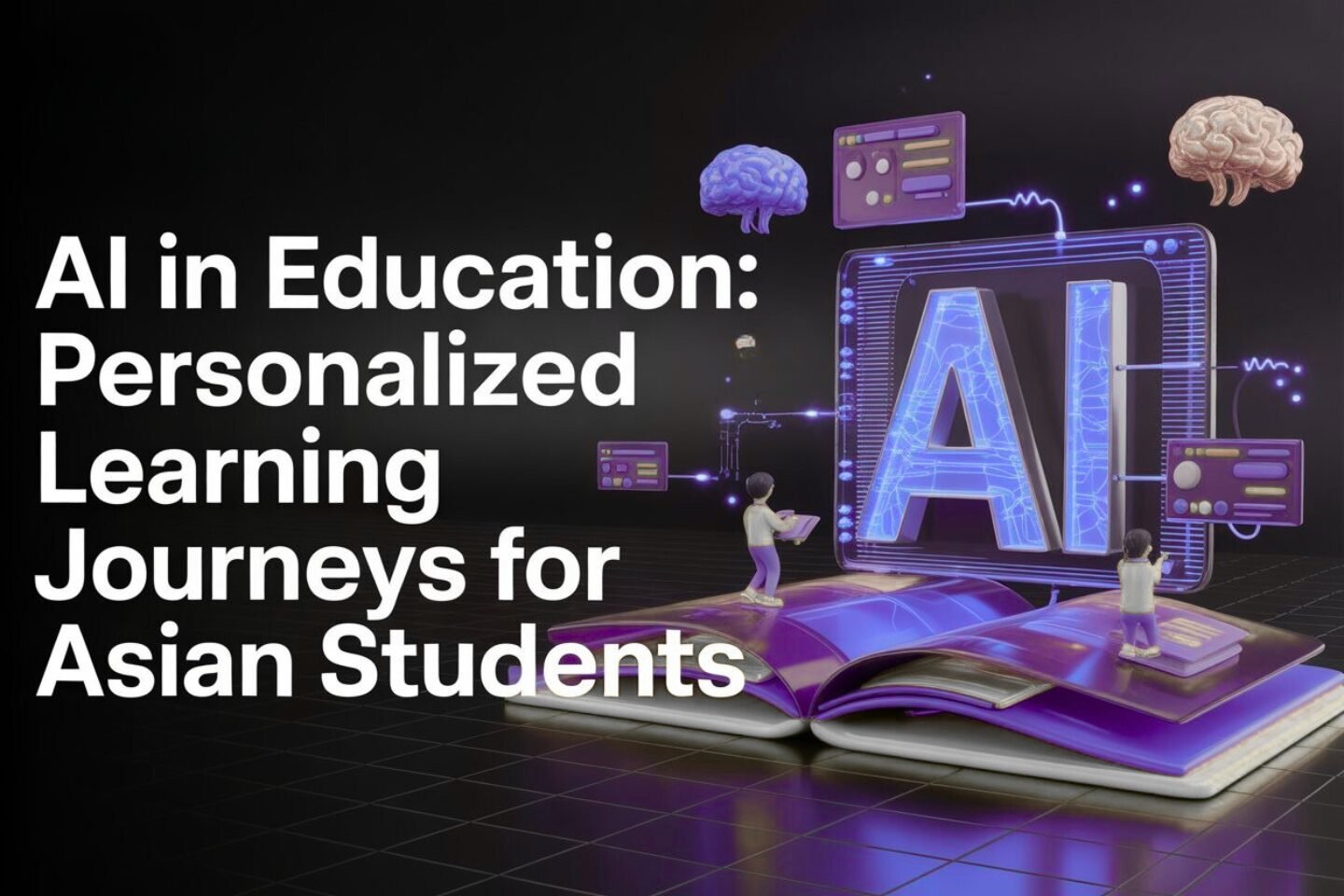
All over Asia, AI in education is transforming how students learn, connect and achieve their educational aspirations. As institutions pivot toward digital transformation, intelligent tools and smart platforms facilitate and enable personalized, data-driven, learning environments for millions of students. Rapid advancements in AI innovations foster the region’s advancement toward every learner engaged with individual support anchored in their personal learning needs.
Why Personalized Learning Matters for Asian Learners
Among other powerful capacities of AI, personalized learning, in which lessons adapt as students proceed through topics, evaluate learning, and eventually ways to aid them depending on their strengths and weaknesses is invaluable. When classroom instruction encompasses real-time learning analytics, teachers become masters of student progress by working to fill gaps in performance through student-focused, micro-lessons and assistance, which provides opportunities to address inequities in learning that are highlighted in varied and large classrooms found across Asia.
Conversational AI: The New Digital Tutor
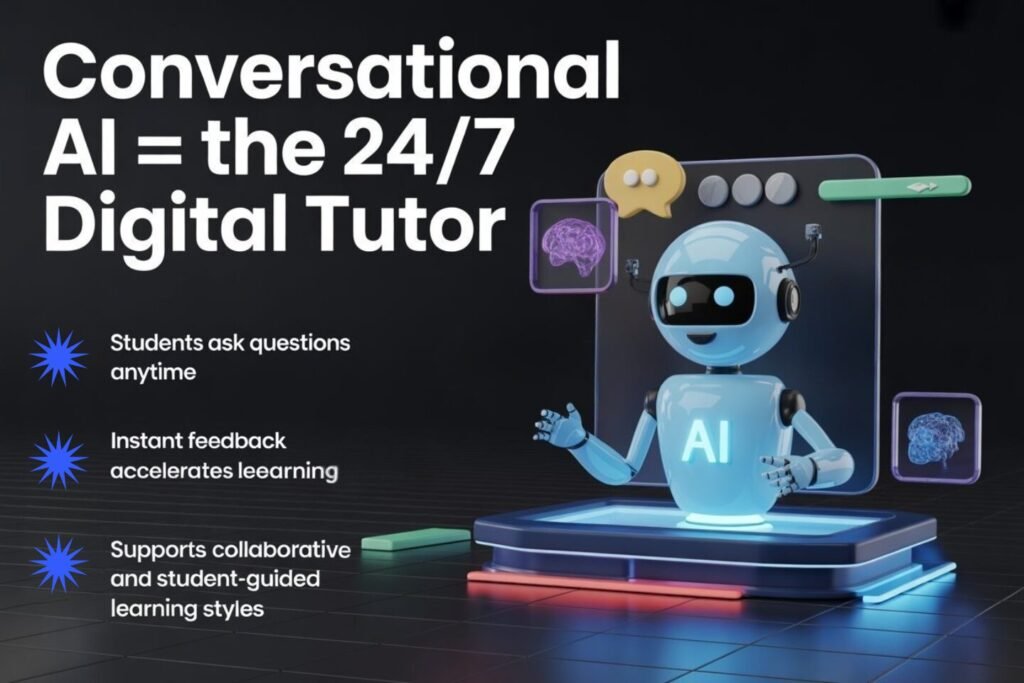
More students are relying on conversational AI to ask questions, get explanations of complexities, and as a digital tutor, all day and night. Students learn faster with these systems because conversational AI can give learners immediate feedback more seamlessly than waiting for a teacher. Conversational AI did not replace educators, but is significant for expanding access to supplemental support in more collaborative educational designs and decision-making approaches — enhancing AI in education!
Learning Analytics: Turning Data into Progress
Schools in Asia employ learning analytics to measure student achievement, determine possible outcomes, and create enhanced learning experiences for instructional purposes. From exam preparation to skill development personalized to an individual learner’s needs, learning analytics helps educators identify specific areas of need for students. By leveraging the insights gleaned from learning analytics, educational organizations advance towards an effortless digital transformation with increasing precision and confidence.
AI Innovation for Multilingual Classrooms
Asia’s diversity in language makes it an advantageous region for AI-driven innovation. Smart translation, automatic transcription, and awareness of linguistic accents shape students’ learning experiences in their preferred language. This multilingual capacity will support personalized learning across cultures, subjects, and contexts regardless of whether a student is learning in Malaysia, India, Singapore, Japan, or Indonesia.
Teachers + AI: A Powerful Partnership
Tools that operate with AI lessen busywork, allowing educators to engage more with creativity, emotional support, and more advanced skill-building. Teachers, academics, learning analytics, and AI-enabled tutoring arrive together in a more applicable and engaging classroom environment. AI in education is not a replacement for educators; AI is an enhancement of what educators do best.
The Future: Smarter, Inclusive, Data-Driven Learning
In the future, Asia will maintain its leadership in global digital academic transformation. More schools will implement blended learning, predictive assessment, and emotional AI monitoring. The development of innovations in AI will support deeper personalized learning, more engagement and improved accessibility – ensuring every student has a rich and individualized conversational experience with digital learning resources.
Conclusion
The next generation of Asian students will grow up with AI in education driving every step of their learning journey. Using personalized learning, conversational interfaces, and enriched learning analytics, schools will be able to continue to support learners in seizing current opportunities while also preparing them for future challenges. As AI innovations expand, so will the future potential for inclusive and transformational learning across Asia.
FAQ's
AI in education is when we use smart tools to enhance teaching, assessment, and engagement with students.
Personalized learning engages students with lessons that suit their personal needs - making education more inclusive and effective.
Conversational AI offers immediate interventions, tutoring, and feedback, making teaching easier than ever to access.
Digital transformation assists institutional representatives in modernizing their classrooms and enhances the disruption of new learning tools.
Learning analytics provides teachers an insight into student performance and learning patterns in real-time.
No. AI innovation adds value to education by automating tasks so educators can prioritize mentoring students.
Yes. AI in education supports interpretation, pronunciation, and cultural adaptation.
Yes. More meaningful lessons assist with understanding, so retention improves learning outcomes.
Most conversational AI systems operate under strict privacy protocols to provide students with secure learning experiences.
More automation in education, real-time learning analytics, and richer personalized learning opportunities.